


In a context where intelligent traffic management has become essential, VMS signs play a key role in ensuring road safety, smooth traffic flow, and effective communication with drivers. But which standard regulates these dynamic signs?
In this article, we clearly explain what the UNE-EN 12966:2005 standard states and why the it is essential to ensure the reliability of any installation.
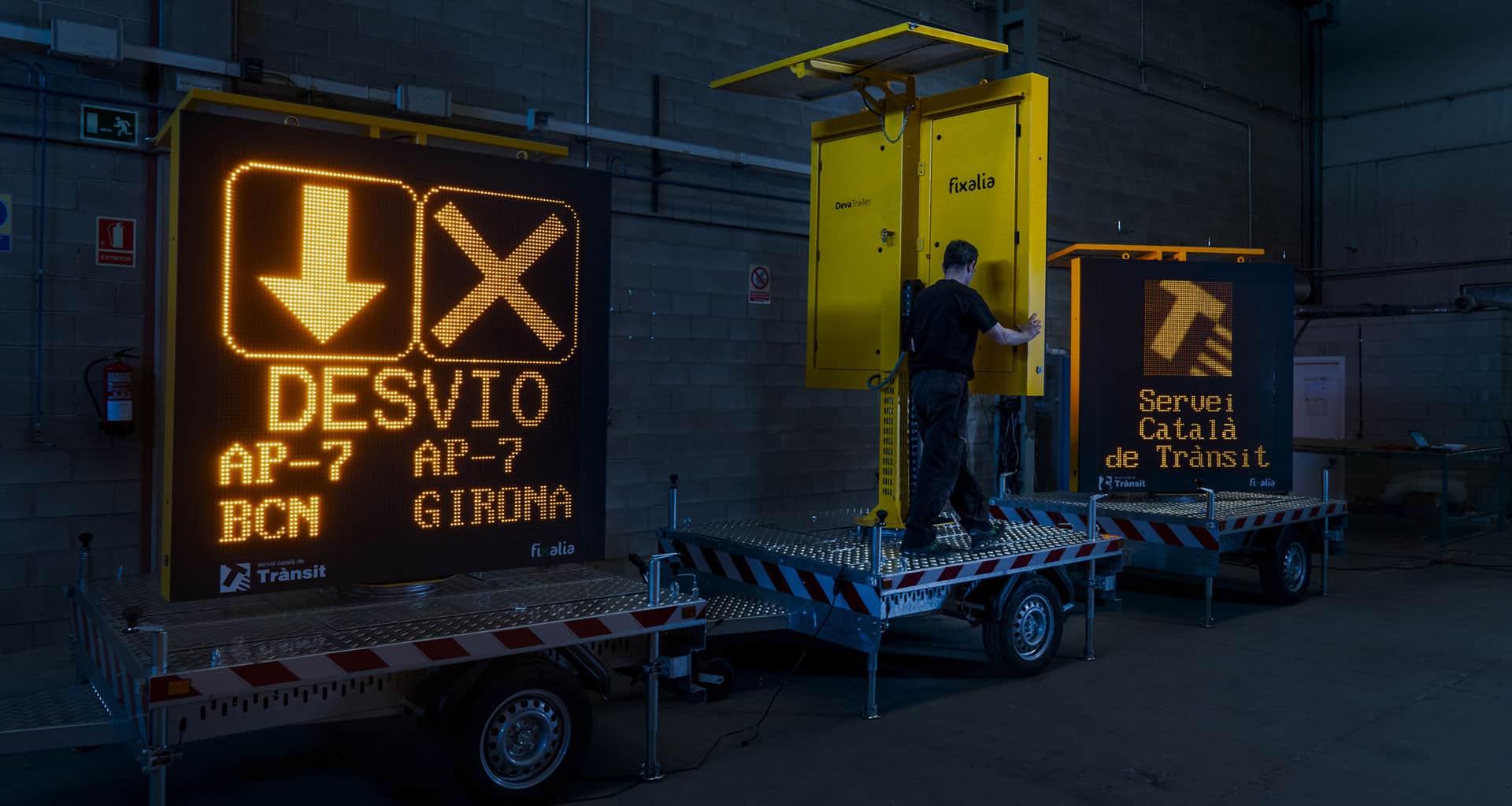
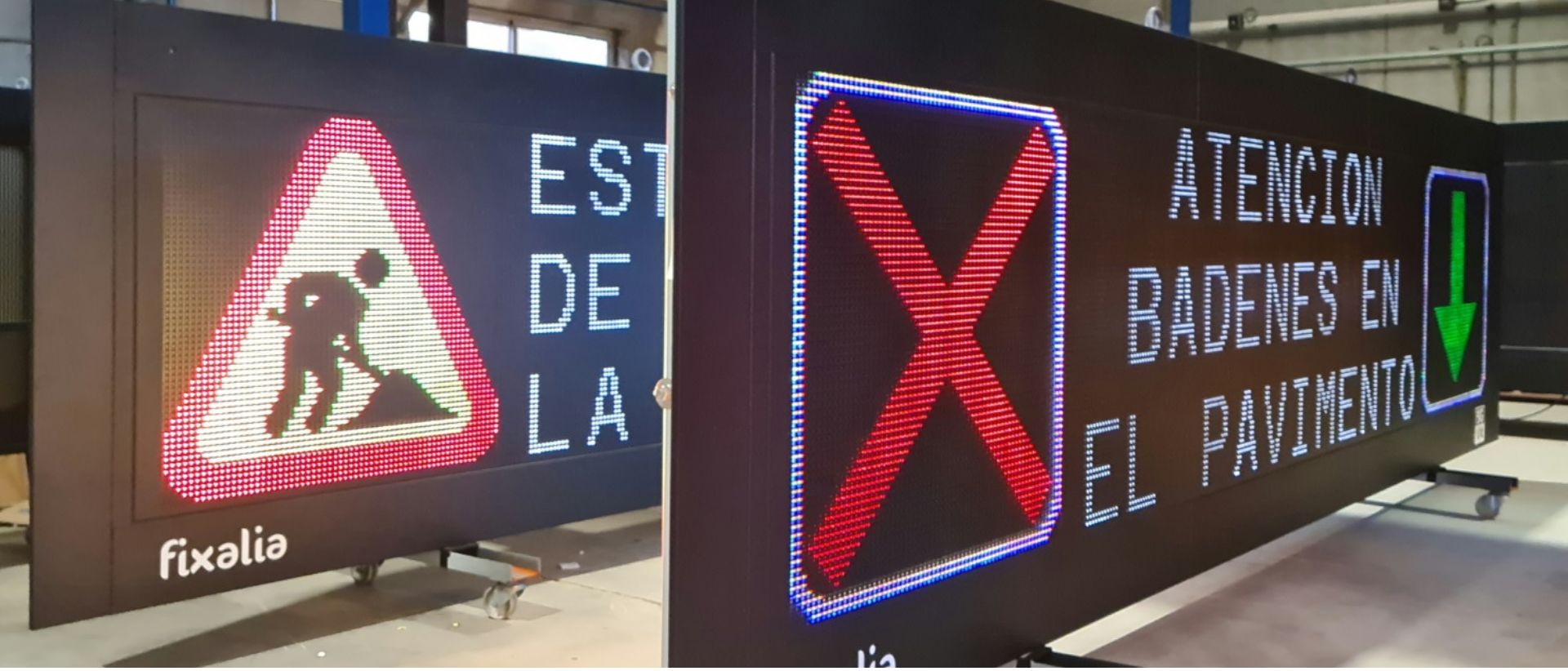
Fixalia mobile LED panels certified according to UNE-EN standards for variable message signs, used by the Catalan Traffic Service for traffic management and control.
What are the VMS Signs?
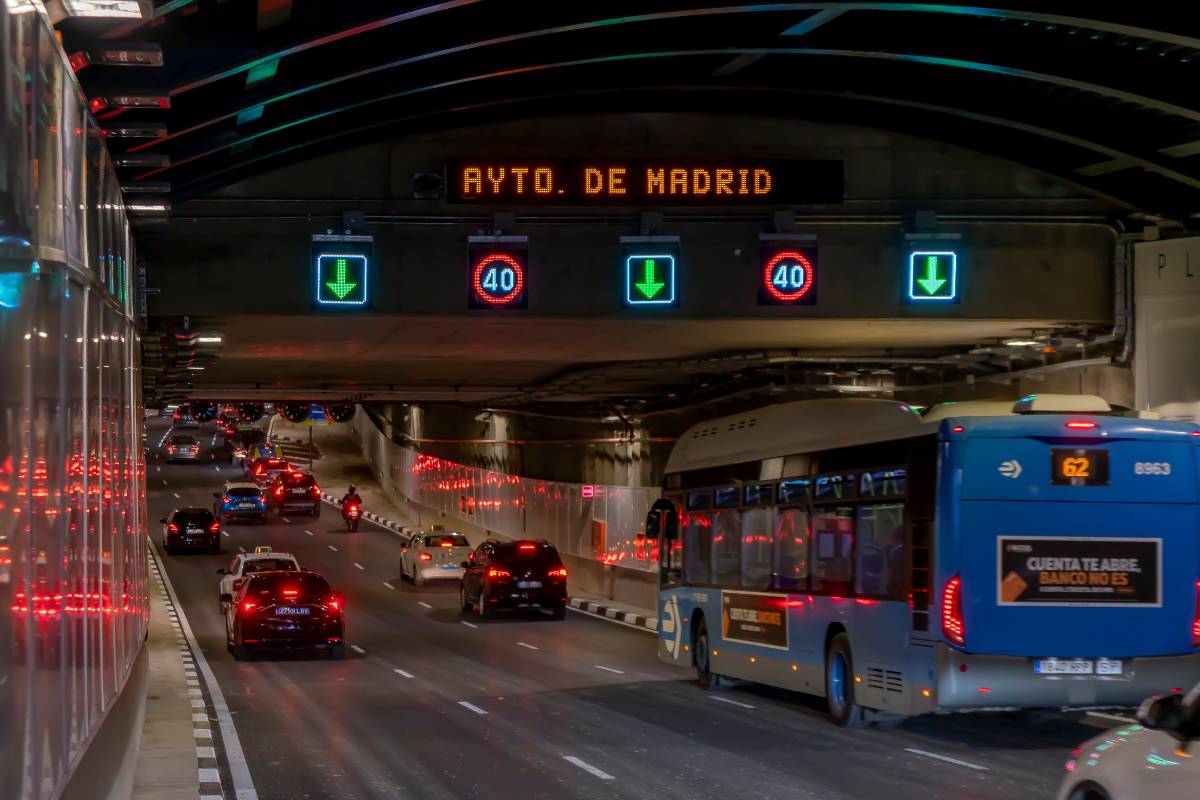
VMS signs are electronic devices that display real-time dynamic messages, enabling efficient traffic management and improving road safety. They are mainly used on motorways, in tunnels, or at urban entry points to provide information on traffic conditions, alerts, or restrictions.
These devices are subject to the UNE-EN 12966:2005 Standard for VMS signs, which regulates all technical and functional aspects for their correct installation and operation.
If you want a more detailed explanation of their uses, advantages, and technologies, you can read this article: Fixalia, leader in VMS solutions.
What does UNE-EN 12966:2005 regulate?
The UNE-EN 12966:2005 standard defines the minimum technical requirements that VMS signs must meet to ensure reliability, visibility, and durability. This UNE-EN Standard for VMS signs is a national adaptation of the European EN 12966 standard.
Some key aspects it regulates include:
- Legibility at different distances
- Adequate luminance and contrast
- Colour stability
- Resistance to adverse environmental conditions
- Electromagnetic compatibility
- Interoperability with traffic management systems
You can consult the official document on the UNE-EN website.
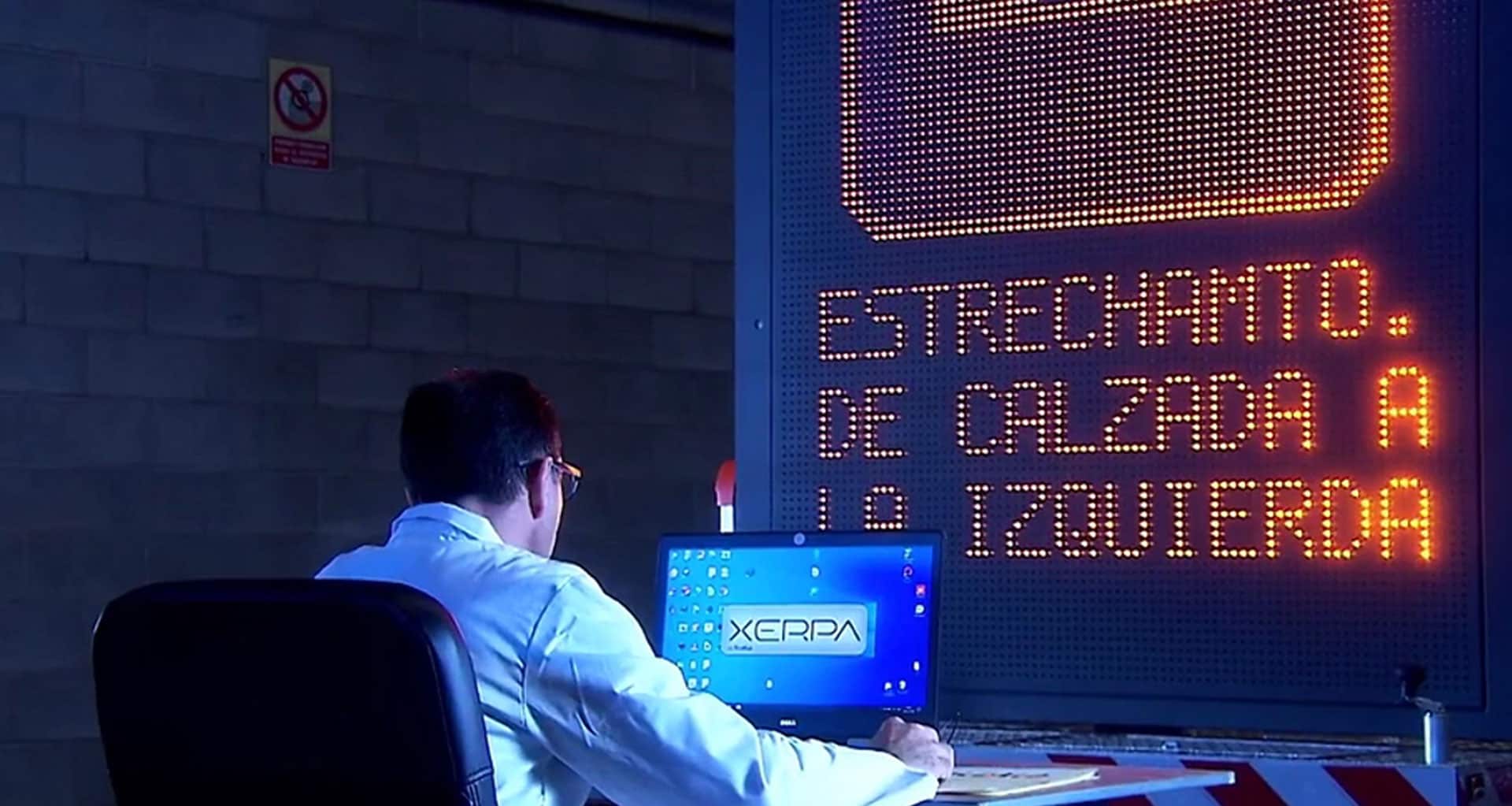
Areas of application of UNE-EN 12966:2005
The UNE-EN 12966:2005 Standard for VMS signs applies to:
- Motorways and dual carriageways
- Urban entrances and exits
- Tunnels and dynamically managed road sections
- High-density traffic infrastructure
Its goal is to ensure that all electronic traffic signs meet minimum technical standards, avoiding interpretation errors, technical failures, or visibility problems.
Compliance is not only a guarantee of technical quality but also a key factor in securing public contracts or ensuring interoperability in complex projects.
Technical requirements under the standard
The UNE-EN 12966:2005 Standard for VMS signs specifies that panels must meet:
- Adequate visibility both day and night
- Materials resistant to humidity, dust, and temperature changes
- Power backup and redundancy systems
- Remote diagnostic capability
- Modular maintenance design
- Correct message loading speed
Thanks to these requirements, the standard ensures functional signage even in critical environments.
Do you need custom VMS signs?
Tell us about your project and we will advise you on the best smart signage solution.
Differences between VMS and traditional vertical signage
Although both aim to regulate traffic, their differences are clear:
Traditional vertical signage | VMS signs |
Static information | Dynamic information |
No electrical power needed | Requires power and electronic control |
Limited messages | Can display multiple messages as needed |
Low maintenance | Requires periodic technical supervision |
Therefore, the applicable standards also differ, and UNE-EN 12966:2005 focuses specifically on variable electronic systems, not fixed signs.
Why is compliance with the UNE standard important?
Compliance with the UNE-EN 12966:2005 Standard for VMS signs is crucial to avoid malfunctions, reduce risks, and meet the requirements of road safety audits and tenders.
Road safety and regulatory compliance
Installing signs that do not meet the standard can compromise visibility, stability under adverse conditions, or legibility — putting drivers at risk and creating legal liability for authorities or installation companies.
VMS maintenance and supervision
In addition, UNE-EN 12966:2005 includes aspects related to remote control, fault diagnostics, and preventive maintenance capabilities, all essential for operation in critical environments such as tunnels or access points to sensitive areas.
How to choose suppliers that comply with UNE-EN 12966:2005
Working with a specialised supplier that ensures compliance with the UNE-EN 12966:2005 Standard for VMS signs is essential to avoid technical, legal, or interoperability issues.
In this regard, Fixalia is a leader in VMS solutions, offering products specifically designed to meet the highest quality standards and all certifications required by UNE-EN.
By choosing a supplier like Fixalia, you ensure:
- Panels certified according to UNE-EN 12966:2005
- Technical advice for public and private projects
- Specialised after-sales support and maintenance
- Integration with intelligent traffic control systems
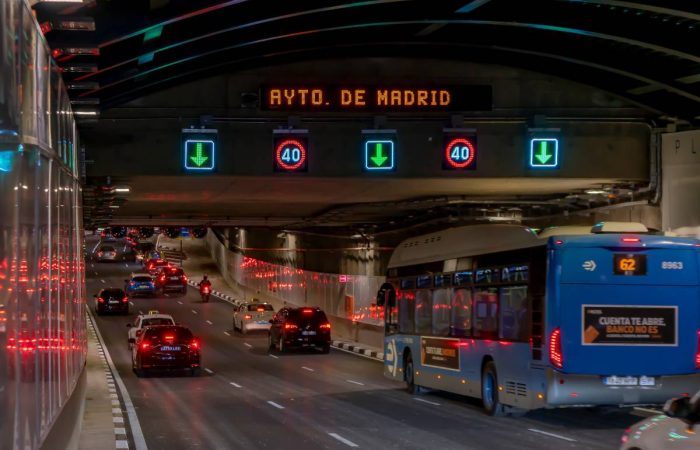
Informative Traffic Signs: Types, Uses and How to Choose the Right Solution
What to consider when choosing VMS signs
Before making a decision, assess factors such as:
- Certificates of compliance with UNE-EN and CE standards
- Types of messages that can be displayed
- Ease of integration with control systems
- Response time and actual visibility
- Product warranty and included maintenance
You can explore all our VMS panel solutions here.
Useful resources and additional VMS standards
In addition to the UNE-EN 12966:2005 Standard for VMS signs, complementary standards may also apply, such as:
- UNE-EN 60529: IP protection against dust and water
- UNE-EN 55032 / 61000: Electromagnetic compatibility
Knowing and correctly applying these standards improves safety, extends device lifespan, and ensures that projects are technically viable and auditable.
Looking for certified VMS signs?
If you need help implementing VMS solutions that comply with current regulations, our team can help. At Fixalia, we are experts in technology for intelligent mobility.
Contact us today and we will advise you on how to meet the UNE-EN 12966:2005 Standard for VMS signs and improve the safety and efficiency of your project.