


Smart traffic signs are one of the cornerstones of modern road safety and efficient mobility systems. While they may seem like static indicators, these signs actually “communicate” with traffic control centers and management software using standardized communication protocols governed by technical regulations.
In this article, you’ll discover how this communication works and why Fixalia is a market leader in deploying smart traffic signs in Spain.
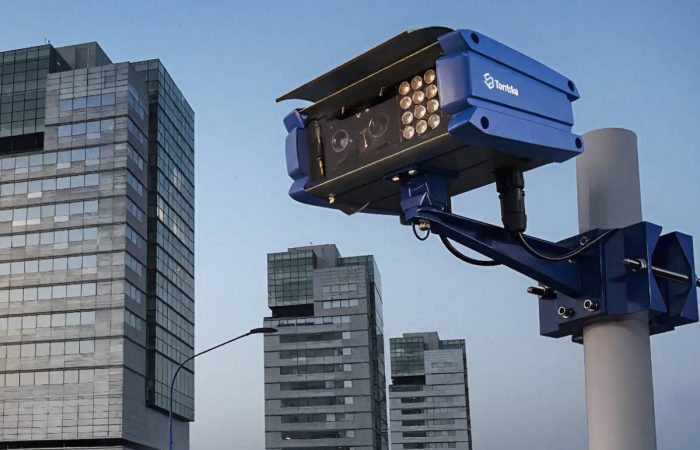
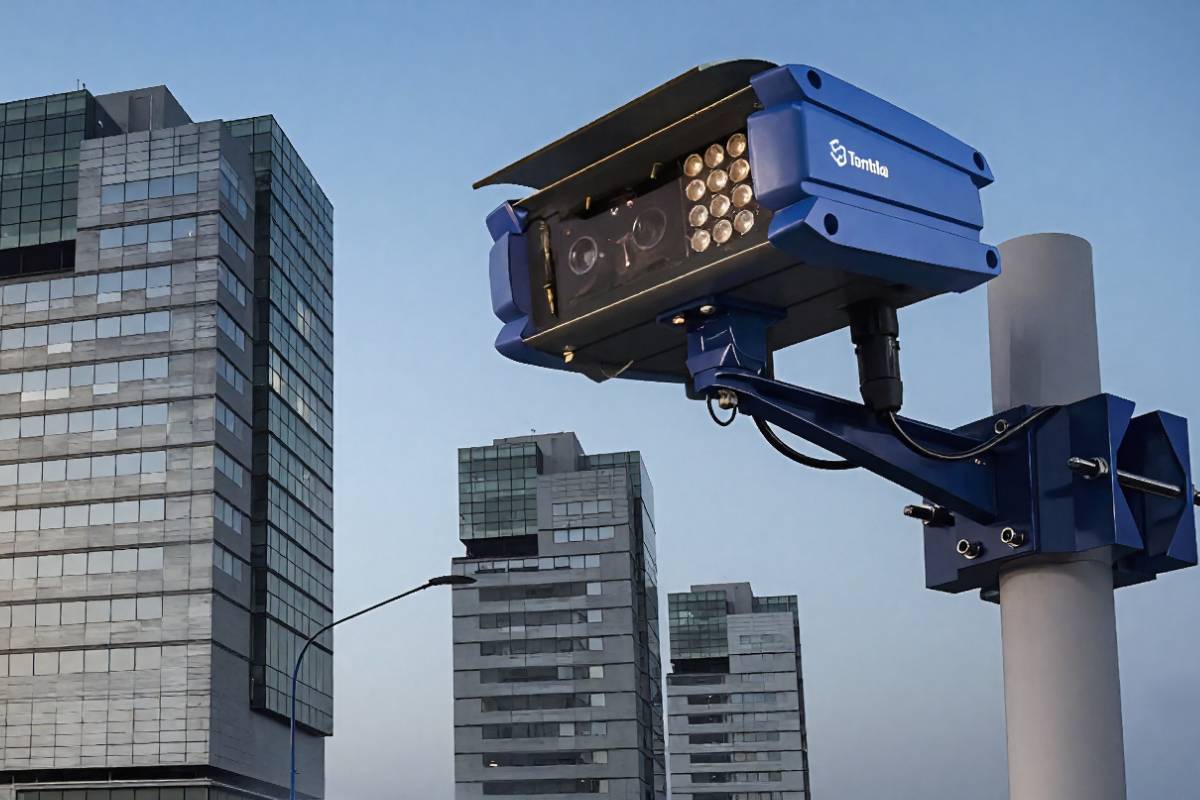
ANPR Cameras: Advanced Technology for Intelligent License Plate Recognition
What are smart traffic signs?
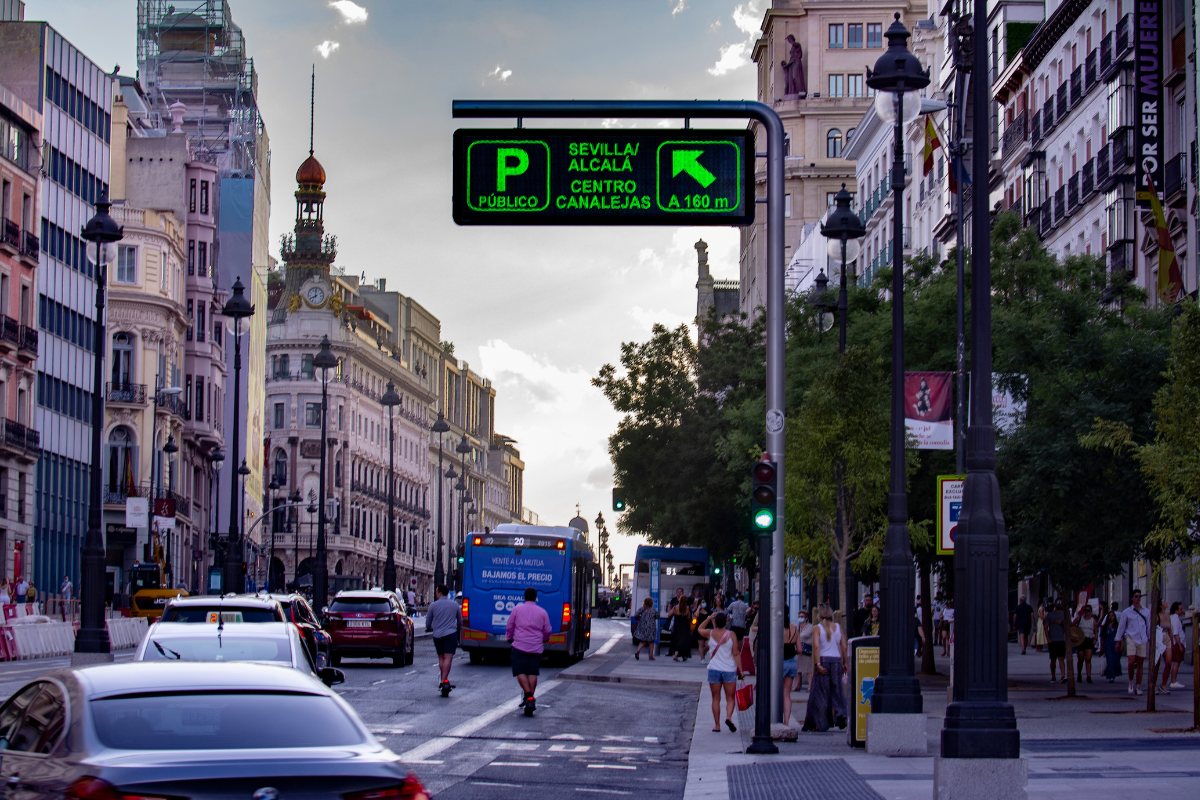
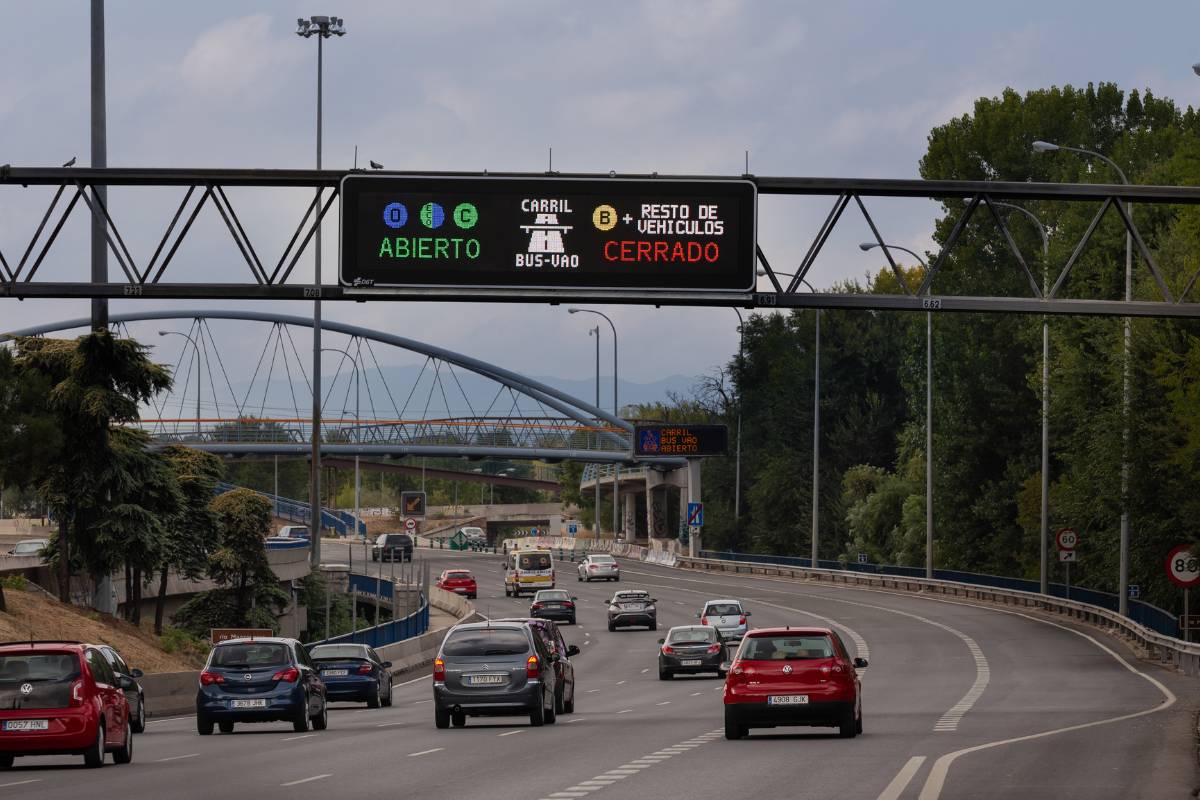
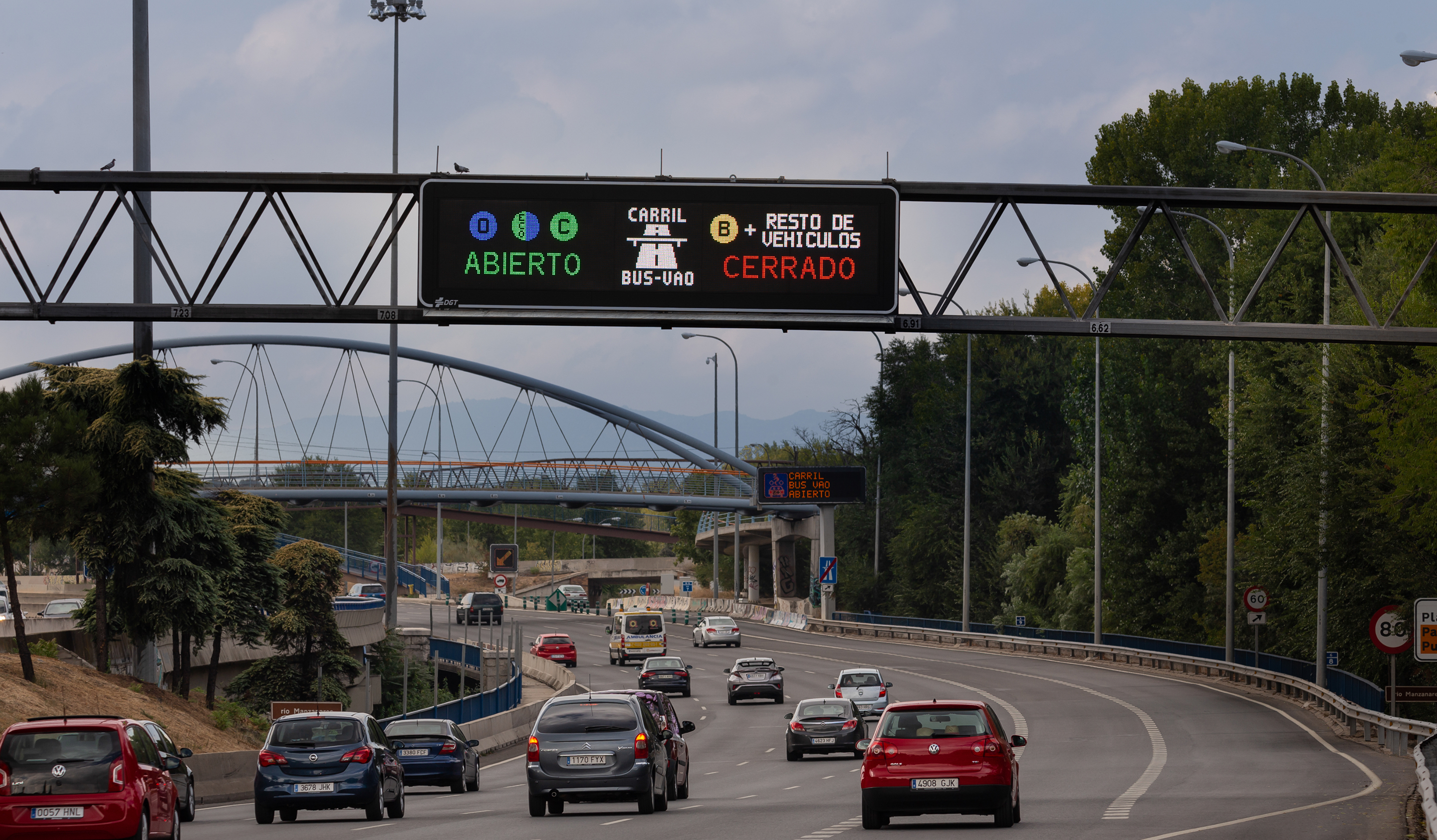
The term smart traffic signs refers to the integration of advanced technology and real-time connectivity into vertical signage systems. These are no longer passive indicators; instead, they are panels and devices capable of receiving and transmitting data in real time. They adapt their messages dynamically based on traffic volume, weather conditions, or incidents on the road.
Smart signs are not isolated units. They are embedded within a broader infrastructure and rely on a road traffic management communication protocol to interact continuously with centralized systems such as those operated by Spain’s DGT (Dirección General de Tráfico).
This approach not only enhances road safety but also contributes to more efficient traffic flow and a smoother experience for drivers.
The UNE 199051-2:2012/1M standard: The backbone of interoperability
The UNE 199051-2:2012/1M is the second part of a comprehensive regulation addressing variable message signs (VMS). While Part 1 focuses on hardware and functional specifications, Part 2 exclusively defines the communication protocols that enable seamless interaction between smart signs and management systems.
This standard ensures that any traffic sign installed on Spanish roads can communicate effectively, regardless of the manufacturer, using uniform protocols.
Among the most widely used protocols defined by the UNE 199051-2:2012/1M are:
- DGT and DGT+: Developed by Spain’s traffic authority, these protocols ensure synchronization and control over connected signage.
- MODBUS: Originally designed for industrial use, it’s also applied to traffic systems — particularly in closed or isolated networks.
Thanks to these protocols, smart traffic signs can operate in a coordinated, efficient manner — no matter the brand or model.
What does UNE 199051-2:2012/1M cover?
This regulation outlines the essential technical criteria for interoperability, safety, and performance of smart traffic signs. Key components include:
- Graphic and alphanumeric formats: It defines message structure, number of lines, characters, pictograms, and resolution standards.
- Electrical and physical compatibility: It includes specs for voltage, resistance to wind, waterproofing (IP55), and mechanical strength.
- Message management: The standard dictates how messages should be encoded, sent, received, and verified across systems.
In short, it ensures that the road traffic management communication protocol works efficiently and securely across all road networks.
Official UNE 199051-2:2012/1M technical standard
In addition to UNE 199051-2:2012/1M, there are other equally important standards in the smart signage sector. One of them is UNE EN 12966:2005, which regulates the functional requirements for variable message signs (VMS). If you’re looking to dive deeper into the regulatory framework that governs these systems, don’t miss our article on the UNE regulations for variable traffic signs.
Smart signage in practice: How Spain is applying it
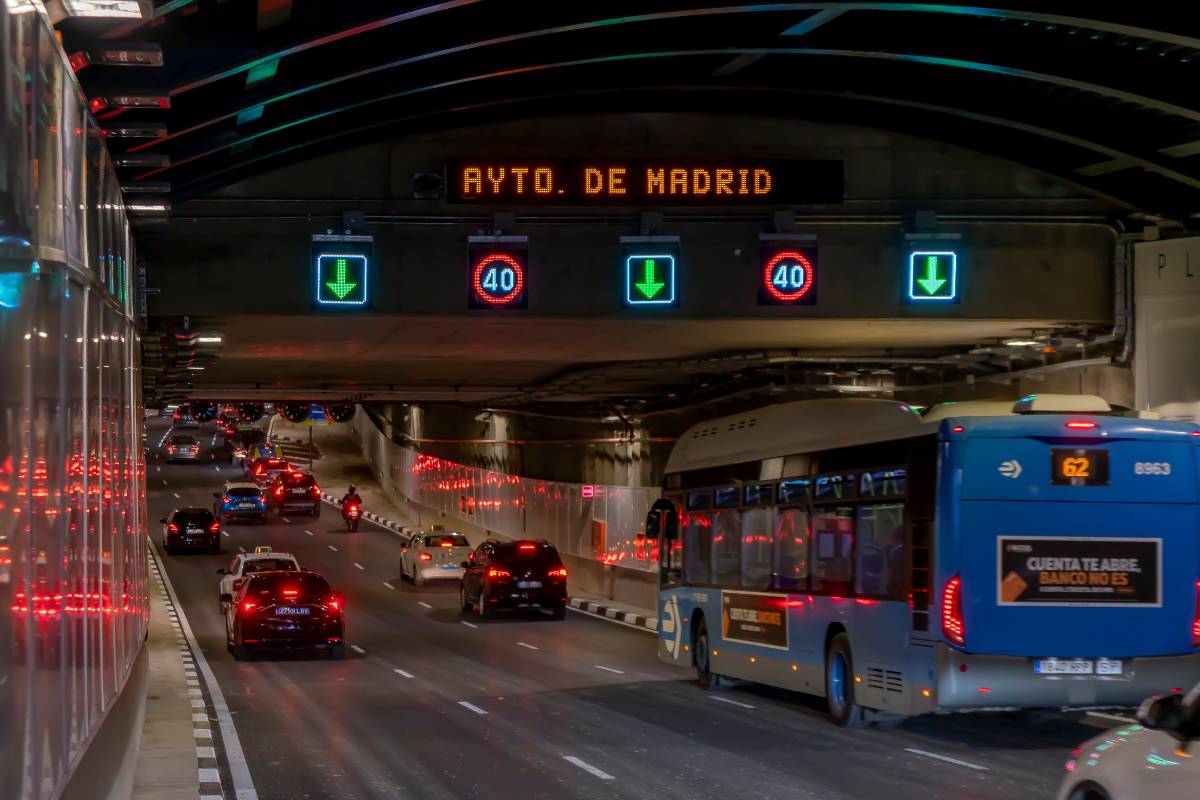
Spain has made significant progress in rolling out smart traffic signs across its highway and urban infrastructure. It is now common to see these signs in use on highways, urban roads, and key traffic intersections. They are centrally controlled and updated in real time through standardized communication protocols.
But effective implementation isn’t just about high-quality devices. It’s also about ensuring seamless integration with existing traffic control systems — which often use SCADA platforms. This requires full compatibility across different manufacturers and protocols.
Fixalia’s software solution, Xerpa, exemplifies how centralized management and UNE 199051-2:2012/1M compliance can be achieved. It supports DGT+, MODBUS, and other communication standards — making it adaptable, robust, and interoperable.
Do you need customized variable message signs?
Tell us about your project and we will advise you on the best smart signage solution.
Why is Fixalia a leader in smart traffic sign implementation?
Fixalia offers far more than just sign manufacturing. Our core value lies in delivering end-to-end solutions for smart vertical signage, including:
- Technical expertise & regulatory compliance: Decades of experience aligning with UNE 199051-2:2012/1M.
- Guaranteed interoperability: Seamless integration with DGT+, MODBUS, NTCIP, and more.
- Innovation through technology: Tools like Xerpa boost smart traffic sign performance and centralize control for better outcomes.
With over 40 years of industry experience, Fixalia is a trusted partner for public and private sector traffic management projects in Spain and beyond. If you’d like to learn more about how we’ve led the rollout of technologies applied to smart traffic signage, check out this article about our journey and industry leadership.
How does this impact your project?
If you’re planning a road infrastructure project, working with a partner that understands smart traffic signs and the road traffic management communication protocol is essential to avoid:
- Technical setbacks
- Compliance issues
- Future compatibility risks
At Fixalia, we ensure that your systems:
- Meet all technical and legal requirements
- Work seamlessly with existing infrastructure from day one
- Are built for long-term efficiency and scalability
Do you want to implement signage systems that comply with regulations?
Smart traffic signage is no longer a future option — it’s a present-day necessity to ensure mobility, safety, and efficiency. Thanks to traffic signal communication protocols regulated by the UNE 199051-2:2012/1M standard — the second part of the variable message panel regulation — it’s now possible to have a connected, efficient road network ready to meet the challenges of modern mobility.
Contact us here and we’ll help you design the ideal solution for your project.
One-minute summary
Smart traffic signs communicate in real time with traffic control centers to improve safety and traffic flow. These systems use a road traffic management communication protocol, such as DGT, DGT+, or MODBUS, ensuring cross-platform interoperability. All of this is governed by UNE 199051-2:2012/1M, the technical standard that defines message formatting, connection types, voltage, and message handling rules. Fixalia leads the way in deploying these technologies in Spain, backed by decades of expertise and innovative tools like Xerpa. These signs are no longer futuristic — they are already transforming roads today.